Mostrando entradas con la etiqueta animals. Mostrar todas las entradas
Mostrando entradas con la etiqueta animals. Mostrar todas las entradas
lunes, 28 de agosto de 2017


martes, 25 de julio de 2017
lunes, 24 de julio de 2017
viernes, 21 de julio de 2017

jueves, 12 de mayo de 2016
Lepidoptera illustrations.
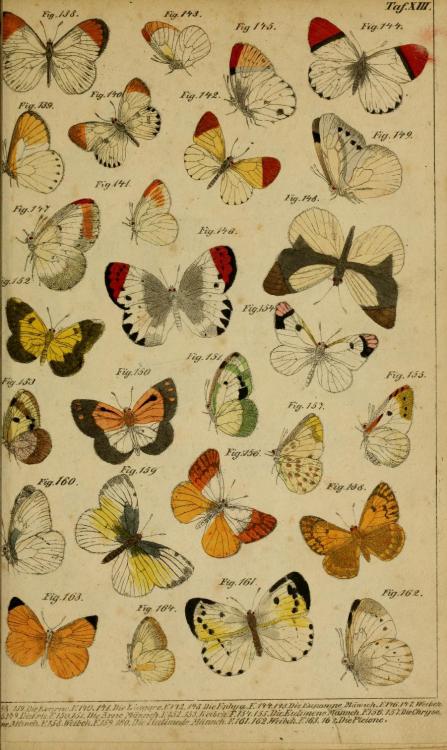
Lepidoptera illustrations taken from ‘Die Naturgeschichte in Getreuen Abbildungen und mit Ausführlicher Beschreibung Derselben’ by Anton Benedict Reichenbach. Published 1838 by E. Eisenach.
miércoles, 2 de marzo de 2016
domingo, 8 de noviembre de 2015
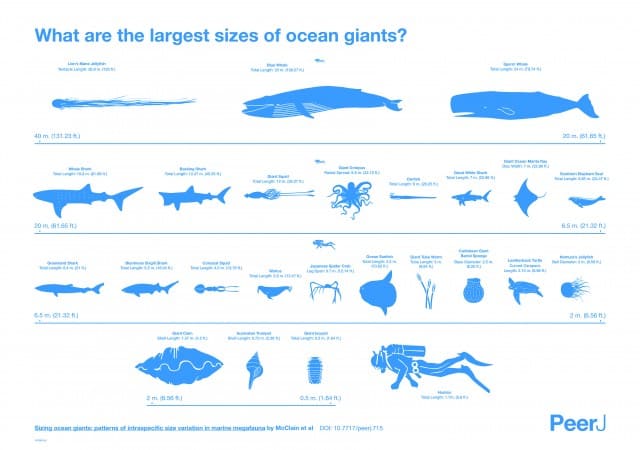
The reptile day.

It’s Reptile Awareness Day! There are more than 10,000 species of reptiles living on every continent except Antarctica. An important part of many ecosystems, they are predators and prey, as well as pollinators and pest controllers. With unique blends of shapes, sizes, habits and colorations, they are fascinating animals to study. Just look at this collared lizard in Dominguez-Escalante National Conservation Area in Colorado. Photo by Bob Wick, @mypubliclands. Learn more about endangered reptiles http://on.doi.gov/1LnEEE1
(vía heaveninawildflower)
sábado, 31 de octubre de 2015
Northern royal flycatcher (Onychorhynchus coronatus mexicanus)
Northern royal flycatcher (Onychorhynchus coronatus mexicanus)The northern royal flycatcher is a bird in the Tyrannidaefamily. It is found in Mexico, south through most of Central America, to north-western Colombia and far western Venezuela. Its natural habitat is subtropical or tropical moist lowland forests. The northern royal flycatcher has an erectile fan-shaped crest, coloured red in the male and yellow-orange in the female. The display with the crest fully raised is seen extremely rarely, except during banding sessions.

Foto y texto gracias a http://cool-critters.tumblr.com/
photo credits: photo-world, wiki
jueves, 29 de octubre de 2015
Etruscan shrew (Suncus etruscus)
Etruscan shrew (Suncus etruscus)
The Etruscan shrew is the smallest known mammal by mass, weighing only about 1.8 grams (0.063 oz) on average. It has a body length of about 4 centimetres (1.6 in) excluding the tail. It is characterized by very rapid movements and a fast metabolism, eating about 1.5–2 times its own body weight per day. It feeds on various small vertebrates and invertebrates, mostly insects, and can hunt individuals of the same size as itself. These shrews prefer warm and damp climates and are widely distributed in the belt between 10° and 30°N latitude stretching from Europe and North Africa up to Malaysia. They are relatively rare and are endangered in some countries.
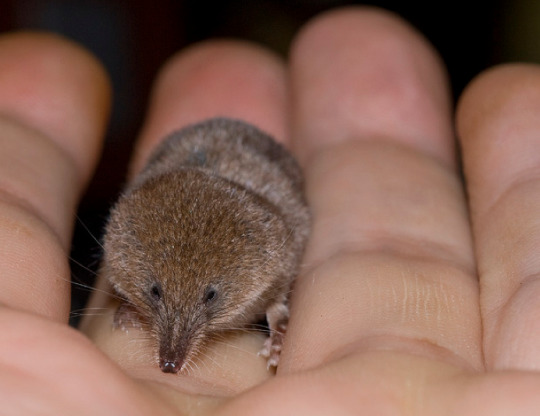
Foto y texto gracias a http://cool-critters.tumblr.com/
photo credits: wiki, thefeaturedcreature
miércoles, 21 de octubre de 2015
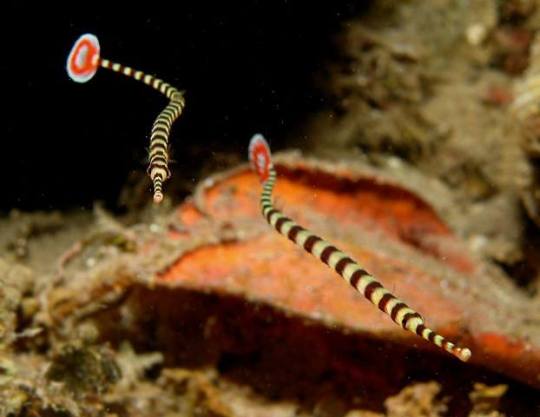
Banded pipefish (Dunckerocampus dactyliophorus)
Banded pipefish (Dunckerocampus dactyliophorus)
This little fish is a species of fish in the Syngnathidae (seahorses and pipefish) family. It is widespread throughout the tropical waters of the Indo-Pacific region, Red Sea included. It has a straight, elongated body which reaches a maximum length of 19 cm. Similar to other seahorses and pipefishes, the male banded pipefish is equipped with a specialised brood pouch, rather than the female. The female deposits her eggs in the male’s pouch, where they develop. The male later gives birth.
photo credits: wiki
Link gracias a http://cool-critters.tumblr.com/
lunes, 31 de agosto de 2015
The giant Lewis’ Moon Snail - Neverita lewisii (Syn. Euspira lewisii)
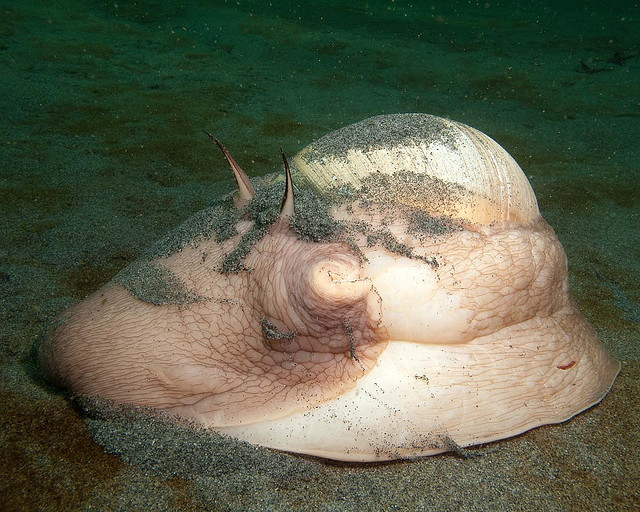
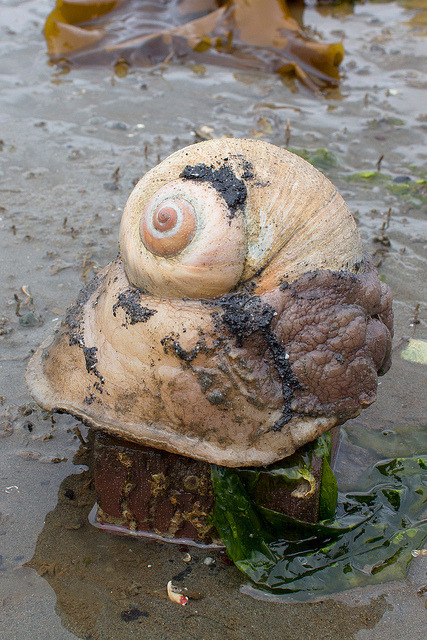
The giant Lewis’ Moon Snail - Neverita lewisii (Syn. Euspira lewisii)
Lewis’ Moon Snail, Neverita lewisii (Gastropoda - Naticidae), is a huge sea snail native to the Pacific Ocean coast of North America, from Canada to Baja California, Mexico). This is the largest of the moon snails, with shells up to 13 cm in diameter, however a fully expanded animal is several times larger than its shell. The snails plough forward with a foot just below the surface of the sand. When extended, the foot can measure over 30 cm in diameter.
Moon snails feed mostly on clams, mussels, or other mollusks. They are “boring predators”, meaning that they drill through the shell of their prey and ingest the tissue inside. In order to drill a prey item successfully, they must first detect and immobilize their prey, cover it in a mucus sheath and then transport it into the sediment to be drilled. Moon snails use a combination of an acidic enzyme and a “rasping tongue”, the radula, to penetrate their shelled prey. The radula, located at the end of the proboscis, scrapes the surface of the shell as the proboscis rotates 90 degrees, resulting in a fairly round and smooth borehole with an inner and outer edge. The accessory boring organ, located in the snail’s foot, secretes the acidic enzyme to soften the shell of the prey.
sábado, 29 de agosto de 2015
Anthopleura Xanthogrammica.

http://cuttlefishkate.tumblr.com/post/117152045193/in-honor-of-earth-day-heres-something-green-from
miércoles, 26 de agosto de 2015
Flower Mushroom Coral - Ricordea yuma
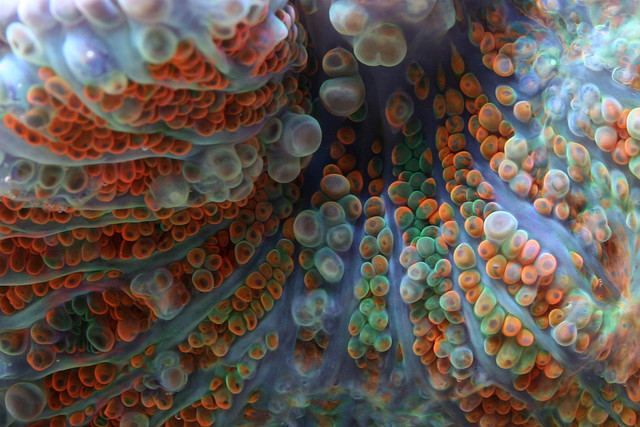
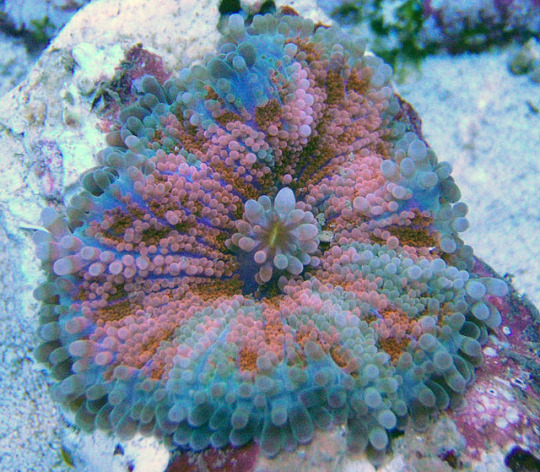
Flower Mushroom Coral - Ricordea yuma
Ricordea yuma (Corallimorpharia - Ricordeidae) is a species of soft coral belonging to a group commonly referred to as mushroom corals. These soft corals are very popular among aquarists due to their vibrant and varied color patterns.
Ricordea yuma is found in the tropical Pacific. Like other Corallimopharians, this one has the ability to rapidly colonize available substrate.
domingo, 23 de agosto de 2015
Deep Sea Goosefish (Sladenia)

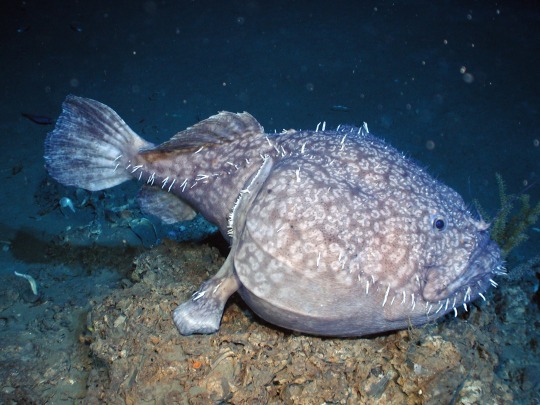
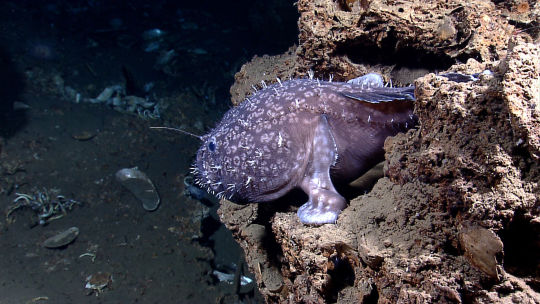
http://typhlonectes.tumblr.com/Deep Sea Goosefish (Sladenia) are anglerfish from the deep sea who lack the furious, devilish facial expressions of the classic deep sea anglerfish.They sit their podgy bodies on the sea floor, resting on four, thick fins adapted for walking.They have the classic lure for attracting prey but it isn’t luminescent.I’m sure things change when dinner comes along, but when they’re just sitting there they look like the sweetest little deep sea puppies!Images: NOAA
jueves, 20 de agosto de 2015
Cook Inlet Beluga Whale.
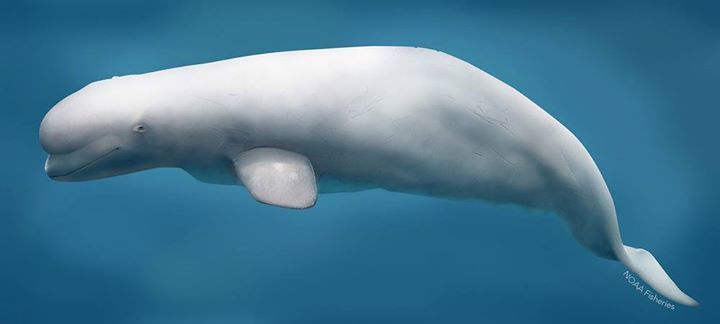
NOAA Species Spotlight: Cook Inlet Beluga Whale
Beluga whales squeal, squeak, and chirp, and it’s why sailors long ago called them “sea canaries.” This species is gregarious and small (up to 15 feet long). Of the five Alaskan stocks, the Cook Inlet beluga stock is the smallest and the most isolated from other belugas.
Cook Inlet belugas once were a valuable part of the regional Alaska Native subsistence diet, but the population has declined rapidly. This rapid decline was most likely due to unregulated subsistence harvest at a level that this small population could not sustain. The hunt has been suspended since 2005, but unfortunately the whale population has not recovered as expected.
Cook Inlet belugas once were a valuable part of the regional Alaska Native subsistence diet, but the population has declined rapidly. This rapid decline was most likely due to unregulated subsistence harvest at a level that this small population could not sustain. The hunt has been suspended since 2005, but unfortunately the whale population has not recovered as expected.
NOAA Fisheries designated the Cook Inlet beluga whale population as depleted under the Marine Mammal Protection Act in 2000, and listed these belugas as an endangered species under the Endangered Species Act (ESA) in 2008. The rapid decline and dire status of the Cook Inlet beluga whale population makes it a priority for focusing efforts within NOAA Fisheries and with our partners to stabilize and prevent extinction of this iconic species...
lunes, 17 de agosto de 2015
Corrugated Liomera - Liomera rugata.
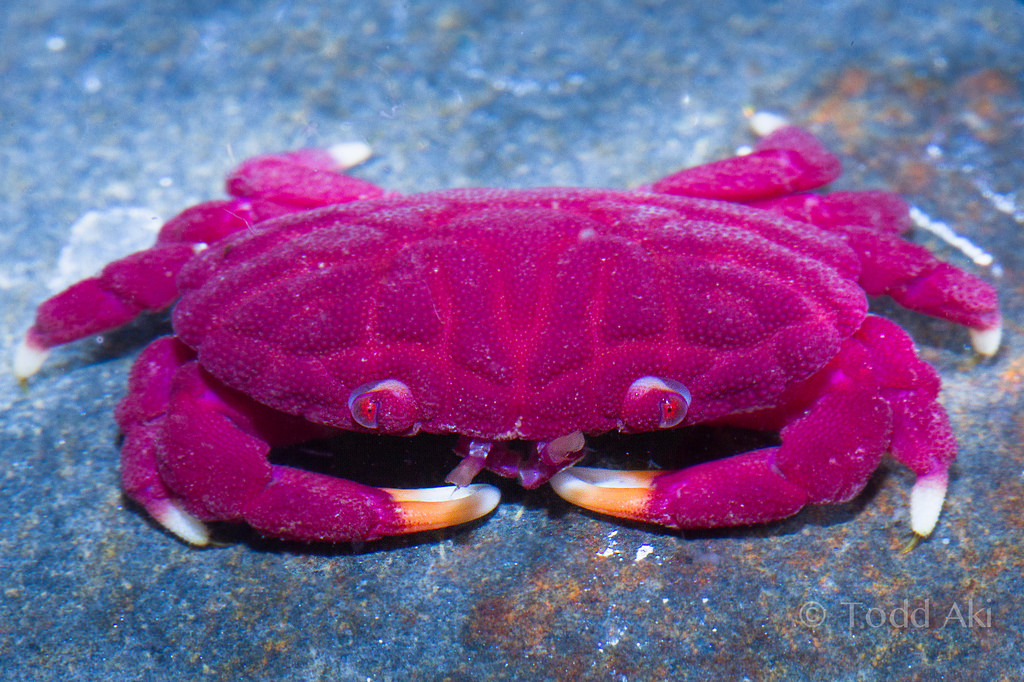
Corrugated Liomera - Liomera rugata
This ultra-pinkish crab (actually magenta) is scientifically named Liomera rugata (Decapoda - Xanthidae), a species which inhabits in coral reefs of the Red Sea, Tahiti, Hawaii, Philippines, China Sea, Japan, India and French Polynesia. It is also commonly known as Corrugated Crab due to the visible granules that cover the surface of carapace.
viernes, 14 de agosto de 2015
sábado, 8 de agosto de 2015
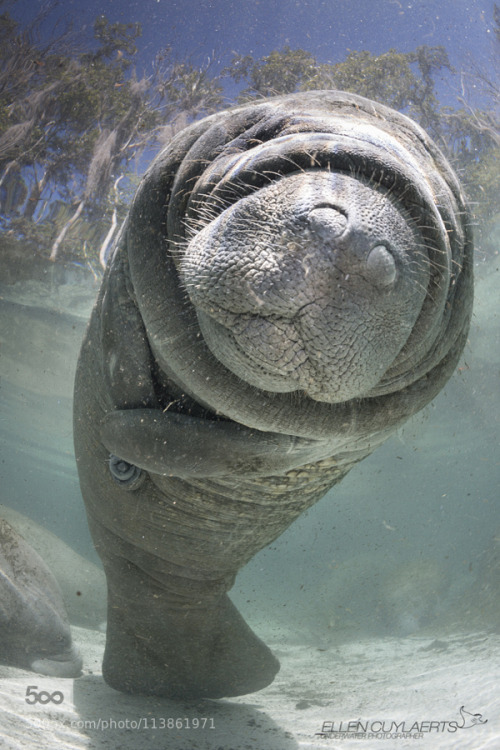
Manatees from the Gulf of Mexico
http://lifeunderthewaves.tumblr.com/image/123079309160
Pacific Spiny Lumpsucker - Eumicrotremus orbis.
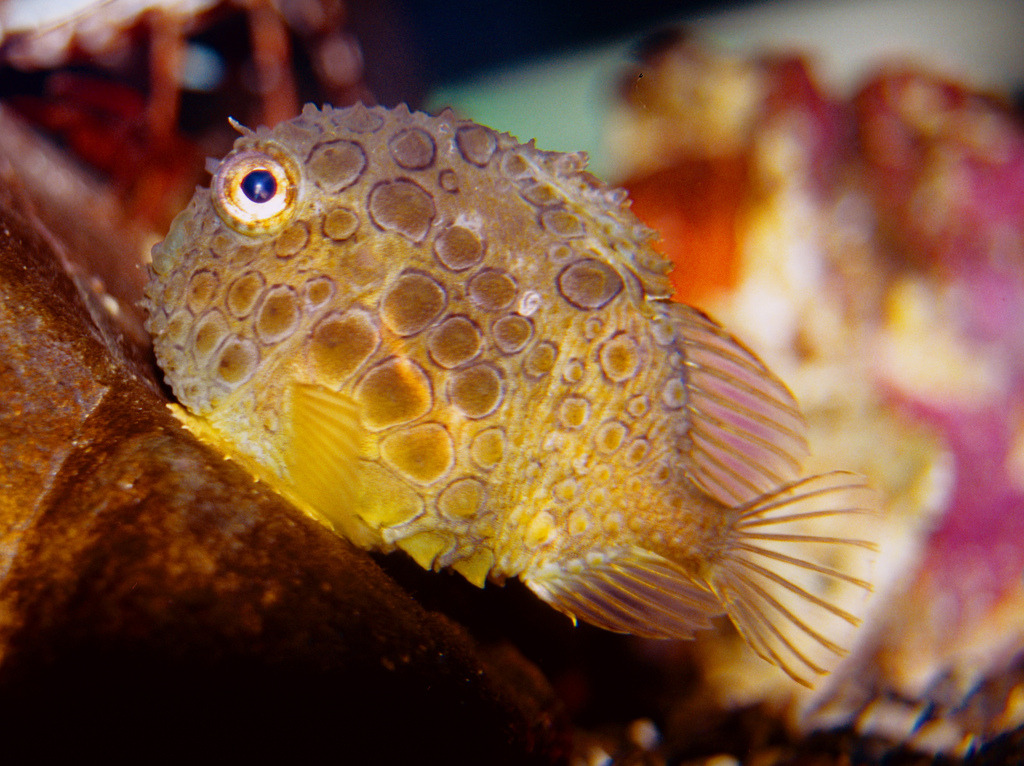
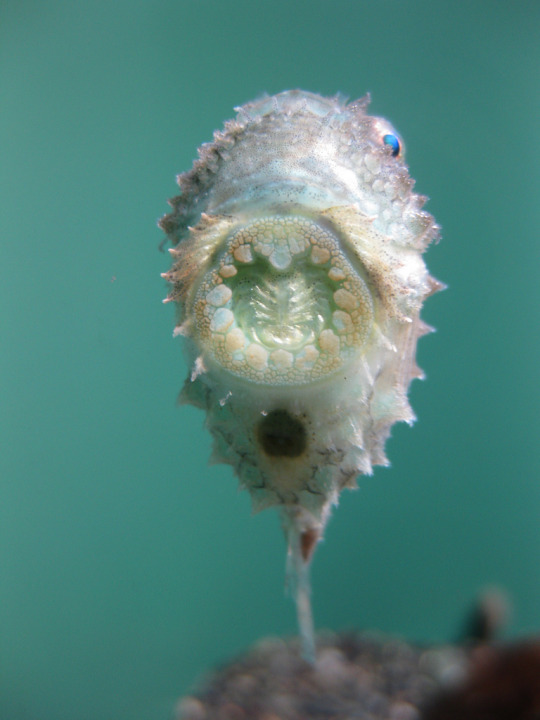
Pacific Spiny Lumpsucker - Eumicrotremus orbis
Some people describe the Pacific Spiny Lumpsucker, Eumicrotremus orbis (Scorpaeniformes - Cyclopteridae), as a ping-pong ball with fins, and yes it seems to be that.
Usually located in eel grass beds at night, these comical fish have a modified pelvic fin that works as a suction disk. This disk is used to attach the fish to rocks, shells and blades of eel grass. When disturbed, the fish hovers about, changing directions aimlessly like a tiny helicopter (they are very inefficient swimmers).
They are quite common, ranging from the waters off the Washington coast, up around the arc of the Aleutian Islands, to the Asian mainland and the northern islands of Japan, and in the Bering Sea.
The largest recorded Lumpsucker was five inches in length, but the most of the lumpies that divers see are about the size of a quarter.
jueves, 6 de agosto de 2015
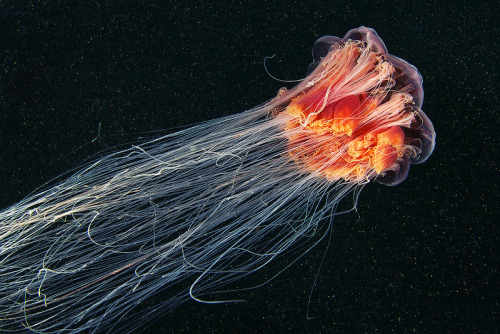
Dancing Jellies by Slimey
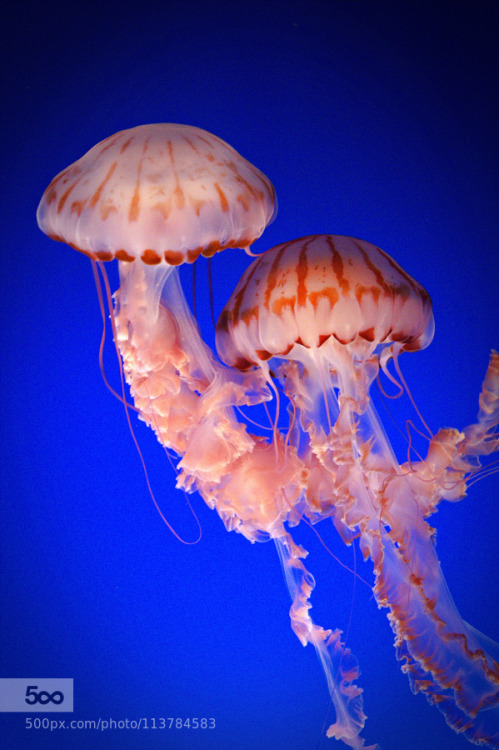
http://lifeunderthewaves.tumblr.com/post/123021746275/dancing-jellies-by-slimey-i-could-just-sit-and
Suscribirse a:
Entradas (Atom)