Mostrando entradas con la etiqueta diversity. Mostrar todas las entradas

jueves, 29 de octubre de 2015

Etruscan shrew (Suncus etruscus)

Etruscan shrew (Suncus etruscus)
The Etruscan shrew is the smallest known mammal by mass, weighing only about 1.8 grams (0.063 oz) on average. It has a body length of about 4 centimetres (1.6 in) excluding the tail. It is characterized by very rapid movements and a fast metabolism, eating about 1.5–2 times its own body weight per day. It feeds on various small vertebrates and invertebrates, mostly insects, and can hunt individuals of the same size as itself. These shrews prefer warm and damp climates and are widely distributed in the belt between 10° and 30°N latitude stretching from Europe and North Africa up to Malaysia. They are relatively rare and are endangered in some countries.
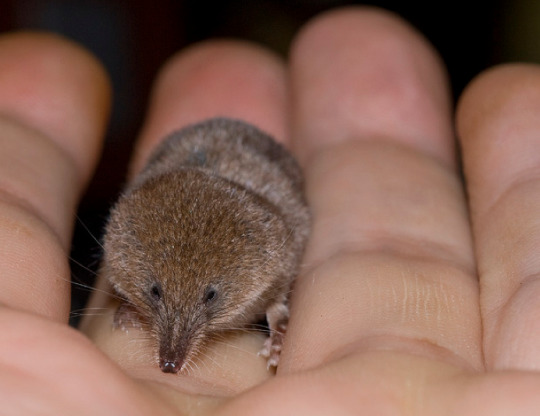
Foto y texto gracias a http://cool-critters.tumblr.com/
photo credits: wiki, thefeaturedcreature

domingo, 25 de octubre de 2015

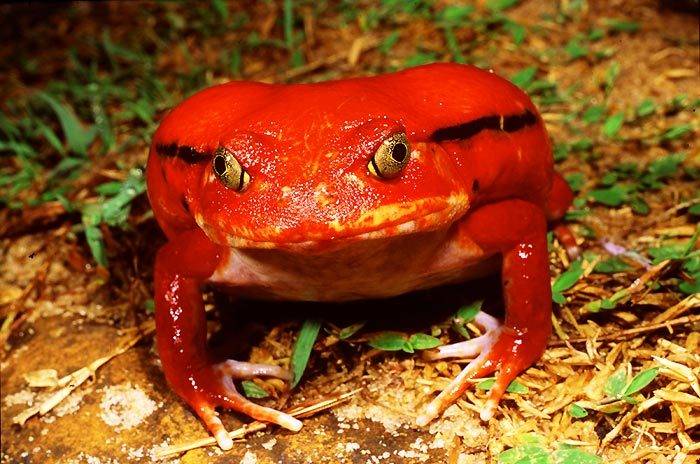
Tomato frog (Dyscophus)

Tomato frog (Dyscophus)
Tomato frogs are any of the three species of genusDyscophus (family Microhylidae): D. antongilii, D. insularis, orD. guineti. They are endemic to Madagascar. When threatened, a tomato frog puffs up its body. If a predator grabs a tomato frog in its mouth, the frog’s skin secretes a thick substance that gums up the predator’s eyes and mouth, causing the predator to release the frog to free up its eyes. The gummy substance contains a toxin that occasionally causes allergic reactions in humans. The lifespan of the tomato frog can be from 6 to 8 years. They tend to eat small insects and invertebrates.
photo credits: lonestardigital, Franco Andreone

viernes, 23 de octubre de 2015

Rhyothemis fuliginosa

Rhyothemis fuliginosa
Rhyothemis fuliginosa is widespread throughout China and east Asia. Its habit are weedy ponds. 
                                      photo credits: Navian