
Mostrando entradas con la etiqueta fotografía. Mostrar todas las entradas
Mostrando entradas con la etiqueta fotografía. Mostrar todas las entradas
sábado, 12 de noviembre de 2016


viernes, 4 de noviembre de 2016

miércoles, 10 de agosto de 2016

sábado, 6 de agosto de 2016

sábado, 2 de julio de 2016
domingo, 8 de noviembre de 2015
The reptile day.

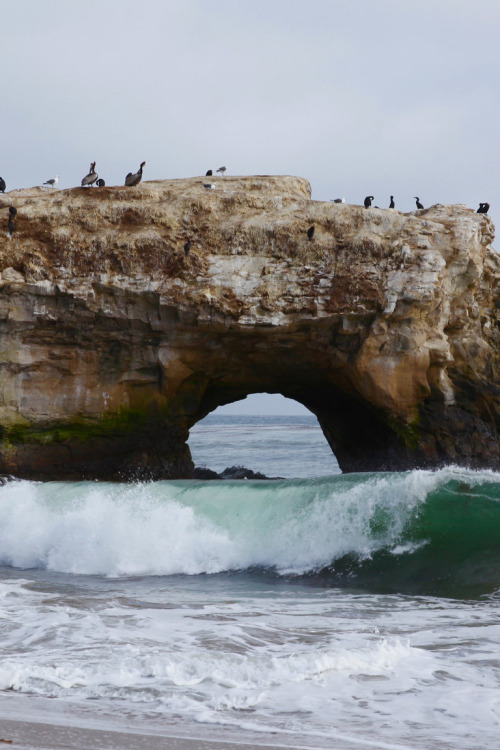
It’s Reptile Awareness Day! There are more than 10,000 species of reptiles living on every continent except Antarctica. An important part of many ecosystems, they are predators and prey, as well as pollinators and pest controllers. With unique blends of shapes, sizes, habits and colorations, they are fascinating animals to study. Just look at this collared lizard in Dominguez-Escalante National Conservation Area in Colorado. Photo by Bob Wick, @mypubliclands. Learn more about endangered reptiles http://on.doi.gov/1LnEEE1
(vía heaveninawildflower)
viernes, 6 de noviembre de 2015
Diferentes tipos de rosas.

‘McGregor’s New Fancy Roses.’ Illustration from ‘Floral Gems for Spring of 1911′ by The McGregor Bros Co. Springfield, Ohio.U.S.
Department of Agriculture, National Agricultural Library.
Biodiversity Heritage Library.
archive.org
archive.org
miércoles, 4 de noviembre de 2015
Lepidoptera taken from ‘The Butterfly Book
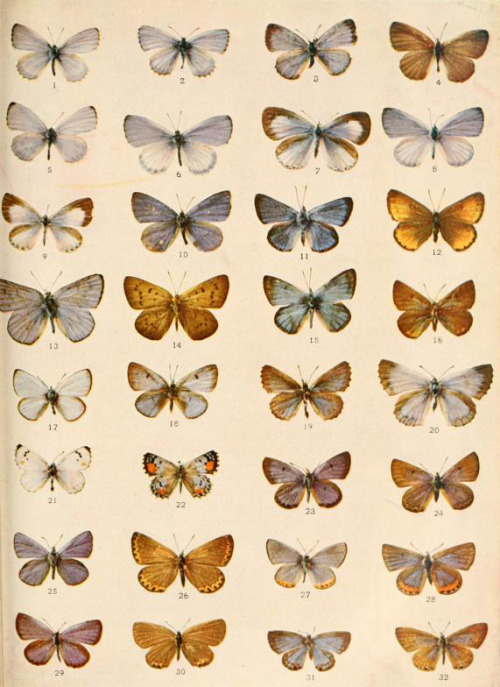
Lepidoptera taken from ‘The Butterfly Book’ by W. J. Holland. Published 1914 by Doubleday, Page & Company.archive.orgClicking on the image should take you to the book for a full explanation of the plate.
lunes, 31 de agosto de 2015
The giant Lewis’ Moon Snail - Neverita lewisii (Syn. Euspira lewisii)
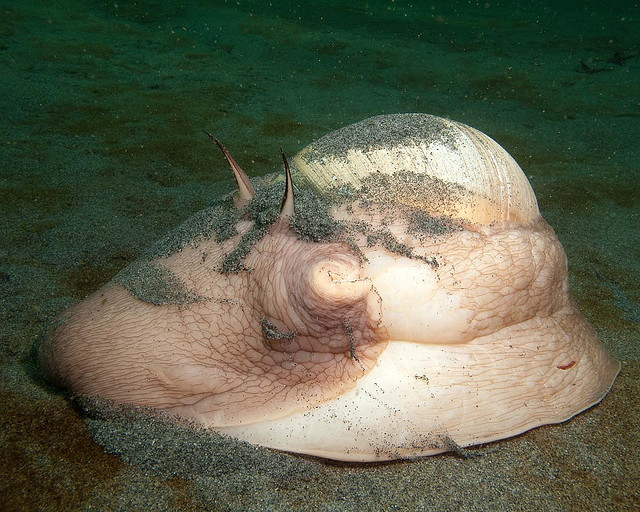
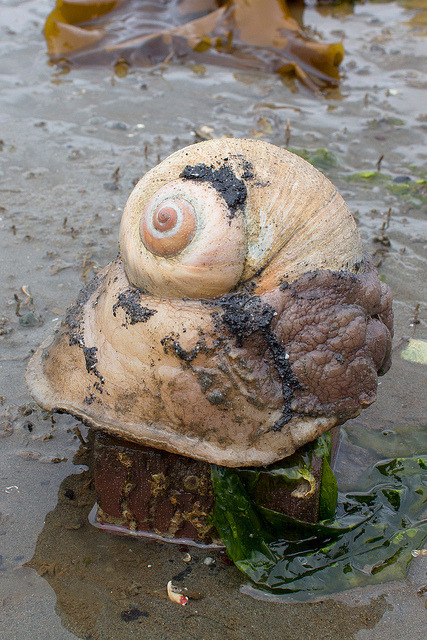
The giant Lewis’ Moon Snail - Neverita lewisii (Syn. Euspira lewisii)
Lewis’ Moon Snail, Neverita lewisii (Gastropoda - Naticidae), is a huge sea snail native to the Pacific Ocean coast of North America, from Canada to Baja California, Mexico). This is the largest of the moon snails, with shells up to 13 cm in diameter, however a fully expanded animal is several times larger than its shell. The snails plough forward with a foot just below the surface of the sand. When extended, the foot can measure over 30 cm in diameter.
Moon snails feed mostly on clams, mussels, or other mollusks. They are “boring predators”, meaning that they drill through the shell of their prey and ingest the tissue inside. In order to drill a prey item successfully, they must first detect and immobilize their prey, cover it in a mucus sheath and then transport it into the sediment to be drilled. Moon snails use a combination of an acidic enzyme and a “rasping tongue”, the radula, to penetrate their shelled prey. The radula, located at the end of the proboscis, scrapes the surface of the shell as the proboscis rotates 90 degrees, resulting in a fairly round and smooth borehole with an inner and outer edge. The accessory boring organ, located in the snail’s foot, secretes the acidic enzyme to soften the shell of the prey.
sábado, 29 de agosto de 2015
Anthopleura Xanthogrammica.

http://cuttlefishkate.tumblr.com/post/117152045193/in-honor-of-earth-day-heres-something-green-from
miércoles, 12 de agosto de 2015
Cellular Landscape, Evan Ingersoll & Gael McGill (Digizyme Inc, Brookline MA).

A cross-section through a dilute cytoplasm inspired by the art of David Goodsell.
jueves, 6 de agosto de 2015
Dancing Jellies by Slimey
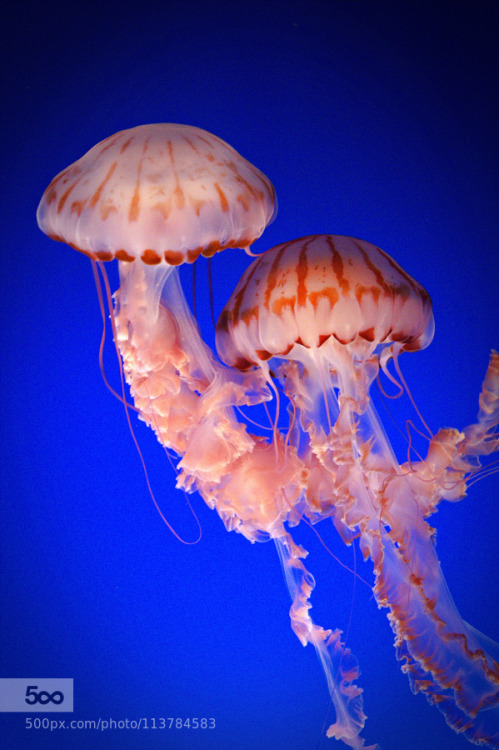
http://lifeunderthewaves.tumblr.com/post/123021746275/dancing-jellies-by-slimey-i-could-just-sit-and
sábado, 1 de agosto de 2015
Brazilian amethyst .
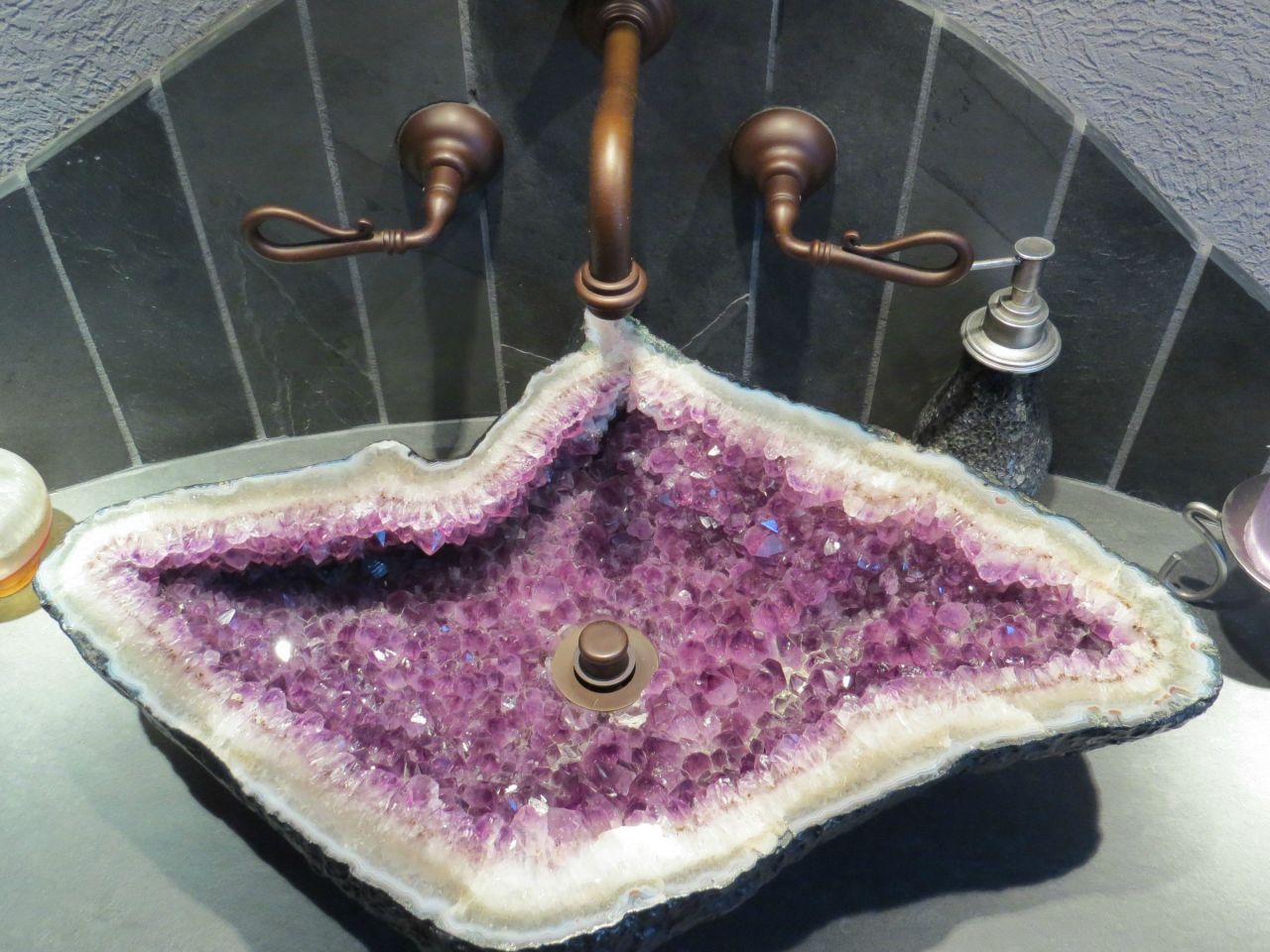
http://ifuckingloveminerals.tumblr.com/image/121315743056
miércoles, 22 de julio de 2015
lunes, 13 de julio de 2015
viernes, 3 de julio de 2015
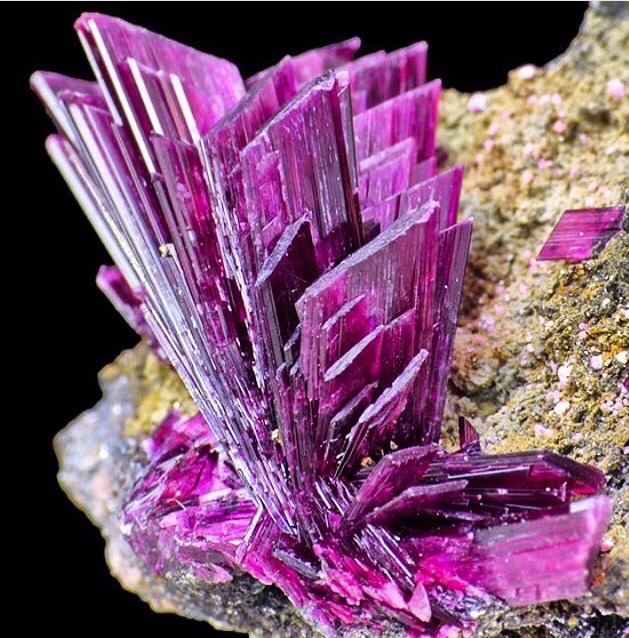
Wicked Erythrite from Morocco.
jueves, 25 de junio de 2015
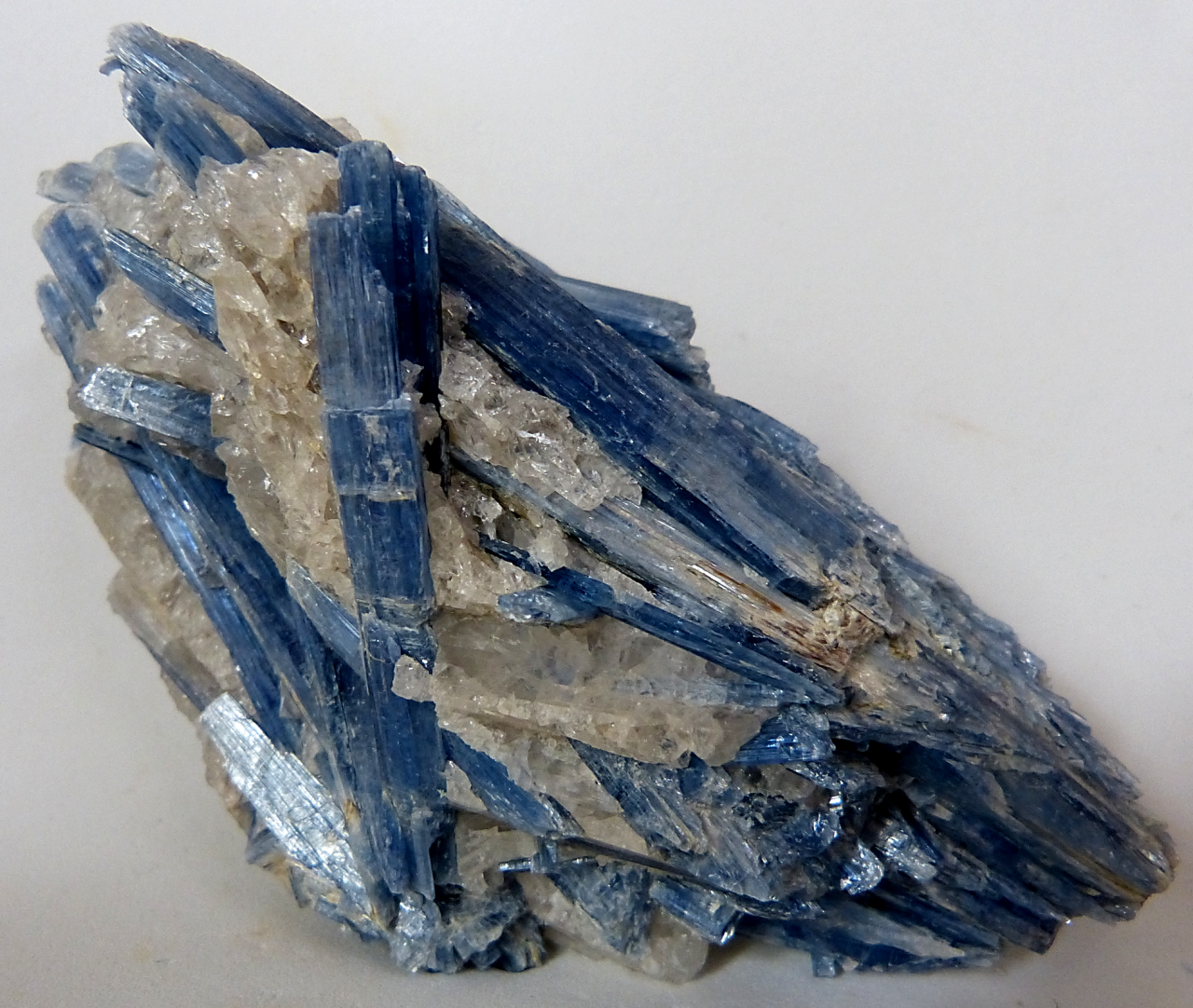
KYANITE (Aluminum Silicate)
http://libutron.tumblr.com/tagged/crystals
viernes, 31 de enero de 2014
Las células hechas por los alumnos.
Aquí os dejo las fotos de diferentes células hechas por mis alumnos como trabajo voluntario. Tienen mucho mérito. Enhorabuena.


jueves, 27 de diciembre de 2012

jueves, 20 de diciembre de 2012

Suscribirse a:
Entradas (Atom)