Mostrando entradas con la etiqueta mapas mentales. Mostrar todas las entradas
Mostrando entradas con la etiqueta mapas mentales. Mostrar todas las entradas
viernes, 1 de febrero de 2013

viernes, 13 de abril de 2012
Las plantas(III)
Por orden del autor debo retirar los esquemas.


jueves, 12 de abril de 2012
Las plantas (II)
Por orden del autor debo retirar el esquema.
Las plantas cormófitas son los vegetales que ya han colonizado a la perfección el medio terrestre y por ello su estructura presenta una organización más sofisticada y precisa que en los musgos. Esta organización es el CORMO. En la estructura del cormo se diferencian: raíz, tallo y hojas. Son los órganos vegetativos para la realización de las funciones de nutrición y relación.
La raíz
Es un órgano que crece hacia el suelo. Suele existir una raíz principal y otras que salen de ella, secundarias. Existe una zona con pelos absorbentes (zona pilífera). Existen varios tipos: Axonomorfa(raíz principal distinta de las secundarias), y fasciculada (raíz principal no se diferencia de las secundarias).
El tallo
Es el órgano aéreo que sostiene las hojas, flores y frutos. Tiene engrosamientos de donde salen las hojas (nudos) y espacios entre ellos sin hojas (entrenudos). También poseen yemas, en el extremo para el crecimiento (yemas terminales) y en los laterales para formar las ramas (yemas axilares). Por su interior circulan los vasos conductores que llevan la savia.
Los tallos pueden ser herbáceos (blandos y verdes), leñosos (resistentes y no verdes). Pueden ser árboles (con tronco principal y ramas) y arbustos (ramificado desde la base). El estipe es un tipo de tallo leñoso sin ramas y con hojas en la punta del tallo. También existen tallos subterraáneos como los bulbos y los tubérculos.
Las hojas
Son órganos verdes, generalmente laminares que salen del tallo y de las ramas y que tienen la misión de alimentar al vegetal mediante la nutrición autótrofa: fotosíntesis. Constan de la lámina plana (limbo), el rabillo que la une al tallo (pecíolo), los vasos conductores (nervios) y los poros por donde se intercambian los gases (estomas). El limbo tiene haz (cara superior) y envés (cara inferior).
Las hojas pueden tener y presentar aspectos muy variables y se pueden clasificar antendiendo a diversos criterios: número de limbos (simples o compuestas); forma del limbo (aciculares, acorazonadas, ovaladas, redondeadas, lineares, ...); por el borde del limbo (enteras, serradas, dentadas, onduladas, hendidas o partidas....; por la forma y disposición de los nervios (uninervias, palmatinervias (con forma de palma de una mano), penninervias (con un nervio principal y de ahí salen los secundarios)...; por su inserción en el tallo (alternas si en cada nudo hay una hoja y opuestas si de cada nudo salen de dos en dos una a cada lado)...
miércoles, 11 de abril de 2012
Las plantas(I).
https://blogger.googleusercontent.com/img/b/R29vZ2xl/AVvXsEgR2ybIndbkSWJLNwrJ1_DLdNsmHxfDTWyjnsjulJi2A4phVe50lEJQ6dB7HYqMFZB9fKFvr8R0-iNr53dPGVwKwMuKeSj8Zy5TKgyDA6IJE7zcNW48T0EllVYv8fRyX9kCp1PeQ2Ud1oY/s1600/esquema-reino-plantae.jpg
Por orden del autor debo retirar los esquemas.
a. Podemos mirar los vasos circulatorios, su presencia o ausencia y podremos observar plantas vasculares (con tejidos conductores) o plantas no vasculares (sin tejidos conductores).        |
miércoles, 4 de abril de 2012
La célula(IV)
Cuadro de orgánulos eucariotas
animales y vegetales
| Orgánulo | Foto / Dibujo | Función |
| Es una capa compuesta por proteínas y fosfolípidos cuya función es separar el interior del exterior celular e intercambiar sustancias. | ||
| Citoplasma |  |
Es el medio interno de la célula. En él se realiza el metabolismo celular y el movimiento de moléculas. |
| Núcleo | Zona separada por membrana que rodea al nucleoplasma y el ADN. | |
| ADN (cromosomas) |  |
Son las fibras de ADN condensadas. Almacenan la información genética. |
| Mitocondria | Realiza la respiración celular. Transforma la materia orgánica en energía: ATP | |
| Ribosoma |  |
Sintetizan proteínas según el código descifrado de el ARN mensajero que a su vez es copia del ADN. |
| Retículo endoplasmático |  |
Distribuye, recoge, almacena y transporta las proteínas fabricadas en los ribosomas. También fabrica lípidos y construye la membrana nuclear. |
| Aparato de Golgi |  |
Almacena y clasifica las proteínas que recibe del retículo endoplasmático. |
| Vesículas |  |
Son pequeñas esferas dilatadas a partir del retículo y del Golgi, delimitadas por membrana que almacenan sustancias. |
| Lisosomas |  |
Pequeñas esferas membranosas que almacenan enzimas digestivas que ayudan a digerir los alimentos. |
| Pared Vegetal |  |
Da soporte, protección y esqueleto a la célula vegetal. Está formada por capas superpuestas de celulosa. |
| Cloroplasto | Orgánulo capaz de realizar la fotosíntesis: la transformación de la materia inorgánica en orgánica. | |
| Centríolos |  |
Agregado de microtúbulos cilíndricos que forman los cilios y los flagelos y facilitan la división celular en células animales. |
| Leucoplastos | Orgánulos que acumulan almidón fabricado en la fotosíntesis. | |
| Cilios y flagelos |  |
Orgánulos que facilitan el movimiento celular. |
| Vacuolas |  |
Acumulan sustancias de reserva o de desecho. |
| Forma celular | En las animales variada, en las vegetales prismáticas. |


Por orden del autor debo retirar los esquemas.
martes, 3 de abril de 2012
La célula(III).
Existen dos tipos fundamentales
de células: la célula
procariota, sin núcleo
y pocos orgánulos celulares
y la célula eucariota: con
núcleo y muchos y variados
orgánulos celulares. Entre
las células eucariotas podemos
encontrar dos organizaciones diferentes:
la célula
eucariota animal: sin pared
celular ni cloroplastos pero con centríolos
y la célula
eucariota vegetal: con pared
vegetal y con cloroplastos.
En la célula eucariota típica existen tres partes fundamentales: la membrana plasmática, una envoltura fina que rodea a la célula y permite la entrada y salida de sustancias y donde se pueden encontrar estructuras para el movimiento de la célula como cilios y flagelos; el citoplasma: gel donde flotan los orgánulos celulares de funciones diversas y específicas como las mitocondrias (orgánulo que da energía a la célula) y los ribosomas (orgánulo que sintetiza proteínas); y el núcleo: donde encontramos el material genético, los cromosomas.
La célula vegetal tiene una gruesa pared que recubre la membrana plasmática. Está formada por celulosa y le da rigidez y soporte a la célula. Todas las células vegetales poseen además plastos. Estos orgánulos acumulan sustancias diversas. Si la sustancia que acumulan es un pigmento de color verde llamado clorofila (imprescindible para hacer la fotosíntesis) se llama cloroplasto.Fuente

En la célula eucariota típica existen tres partes fundamentales: la membrana plasmática, una envoltura fina que rodea a la célula y permite la entrada y salida de sustancias y donde se pueden encontrar estructuras para el movimiento de la célula como cilios y flagelos; el citoplasma: gel donde flotan los orgánulos celulares de funciones diversas y específicas como las mitocondrias (orgánulo que da energía a la célula) y los ribosomas (orgánulo que sintetiza proteínas); y el núcleo: donde encontramos el material genético, los cromosomas.
La célula vegetal tiene una gruesa pared que recubre la membrana plasmática. Está formada por celulosa y le da rigidez y soporte a la célula. Todas las células vegetales poseen además plastos. Estos orgánulos acumulan sustancias diversas. Si la sustancia que acumulan es un pigmento de color verde llamado clorofila (imprescindible para hacer la fotosíntesis) se llama cloroplasto.Fuente

lunes, 2 de abril de 2012

domingo, 1 de abril de 2012
La célula
Teoría celular.
Desde que se descubrieron
las primeras células en el
siglo XVII la técnica y la
ciencia de la citología han
avanzado considerablemente. Cuanto
más avanzaba la técnica
más se conocía del interior
celular. La teoría
celular (M.J. Schleiden y T.
Schwann en 1839) postuló que:
- Todo ser vivo está formado por una o muchas células
- La célula es la estructura
más pequeña que cumple
con todas las funciones vitales.
- Toda célula procede de otra célula por división de la misma.

miércoles, 29 de febrero de 2012
martes, 28 de febrero de 2012
lunes, 27 de febrero de 2012

domingo, 26 de febrero de 2012
viernes, 24 de febrero de 2012
Combating Global Warming mindmap.
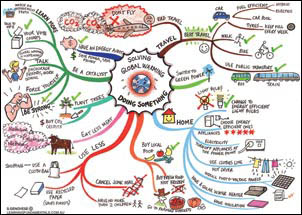
http://jlsaaavedra.edublogs.org/
Ahora un interesante enlace a un video sobre el tema.
Earth's relatively stable and hospitable average temperature is the result of a phenomenon called the greenhouse effect. The presence in the atmosphere of naturally occurring compounds, known as greenhouse gases, maintains Earth's temperature. This video segment adapted from NOVA/FRONTLINE describes how human activities are increasing greenhouse gas concentrations and explains what effect this might have on global temperatures.
Por si acaso todavía tienes un poco más de tiempo, visita
Multimedia Resources
- Climate Change QuickTime Video
- Greenland Ice Sheet Project 2: A Record of Climate Change Flash Interactive
- Natural Climate Change in Djibouti, Africa QuickTime Video
- Global Warming: The Physics of the Greenhouse Effect QuickTime Video
- Global Warming: Carbon Dioxide and the Greenhouse EffectQuickTime Video
Materials
For each pair or small group of students:
- three thermometers
- two clear glass jars that will fit over the thermometers
- sun lamp or sunny windowsill
- paper towels
- Scientific notebooks or journals for recording data and observations
- Graph paper
One clock to be used by the entire class
Before the Lesson
If possible, arrange computer access for all students to work individually or in pairs. Prepare thermometers, jars, and sun lamps for each pair or small group of students.
The Lesson
Part I: What Is Global Climate Change?
1. Write the word climate on the board and ask students to try to define it. Write down their suggestions on the board. Once the list is complete, help students synthesize their ideas into a class definition. For example, one definition might be: "Climate is how weather acts over a large area over many years." Then have students discuss different types of climate areas on Earth: for example, polar, temperate, mountain, etc.
2. Ask students to think about the term global climate . Ask them how global climate might differ from regional or local climate. Discuss with students that the term global climate describes Earth's overall climate variability — such as average temperature, average precipitation, average intensity of winds, and other conditions of Earth's overall atmosphere and at its surface — separate from any specific weather events or local climate conditions. Show the Climate Change QuickTime Video and discuss the following questions:
- What is the difference between weather and climate?
- How do scientists measure the average world temperature in past eons?
- Before 8000 B.C., dramatic changes in average temperature occurred over just a few years' time. What was happening to the global climate before 8000 B.C.?
3. Ice cores are critical to understanding the conditions on Earth over the past 40,000 years, but obtaining them is no easy task. Have students work in pairs or small groups to explore the Greenland Ice Sheet Project 2: A Record of Climate Change Flash Interactive to learn about the difficulties scientists face as they drill for ice cores in Greenland, and to find out what the scientists are learning about global climate change from the ice. Have students answer the following questions in their journals: Why do you think this project was so difficult to mount and took as long as it did?
- Analyze the Greenland Summit Temperature graph. Describe the two variables shown on this graph (temperature and time). During what time period did the largest change in temperature occur? Have we seen world average temperature changes occur this rapidly in the past century?
- Analyze the Methane Concentration graph. When did the largest change in methane gas concentration occur?
- Look at the Methane graph with the temperature overlay showing. What is the general relationship between methane concentration and temperature?
- Analyze the Calcium (Dust) graph. How does calcium dust get into the glacial ice? When did the largest change in calcium dust concentration occur?
- Look at the Calcium graph with the temperature overlay showing. What is the general relationship between calcium dust concentration and temperature? Why does this relationship even exist? (Hint: Think about reflected light.)
- Analyze the Insolation graph. When did the largest change in insolation occur?
- Look at the Insolation graph with the temperature overlay showing. What is the general relationship between insolation and temperature? What else besides the chemicals in the atmosphere affects the temperature on Earth?
- How might any of these variables (temperature, methane concentration, calcium dust concentration, and insolation) be used to determine past or future climatic conditions?
4. Dramatic global climate change is evident in many places on Earth. For example, Djibouti, which lies east of the Sahara is one of the hottest and most arid countries in the world. However, it wasn't always this way. Show students the Natural Climate Change in Djibouti, Africa QuickTime Video and discuss these questions:
- Explain how the tilt of Earth on its axis is related to our changing seasons.
- What evidence do the shells provide to scientists?
- What is the most recent scientific explanation for the dramatic climate change that caused the Sahara's massive lakes to dry up?
Part II: The Greenhouse Gases
5. Divide the class into small groups to begin exploring the effects of greenhouse gases on our atmosphere. Distribute the prepared materials to each group. Have each group place three thermometers within a few inches of each other on a sunny windowsill or under a sun lamp. Be sure that all three thermometers receive the same amount of light for the entire class period. Have students move on to the next activity, but ask them to periodically check the thermometers until they are at exactly the same temperature. Ask students to record this temperature and the time.
6. Now cover two thermometers with glass jars, leaving one thermometer uncovered. Students should place a wet paper towel inside one of the two jars. Use water at room temperature to wet the paper towel. (In this experiment, the water vapor will act like a greenhouse gas and increase the temperature in the jar with the wet paper towel even more than the temperature in the dry jar.) Continue with the next activity, but have students periodically check all three thermometers and record the temperature and time.
7. The presence of greenhouse gases, compounds in the atmosphere that trap heat, maintains Earth's temperature. Human activities, however, are increasing greenhouse gas concentrations and affecting global temperatures. Show students the video Global Warming: The Physics of the Greenhouse Effect QuickTime Video to introduce them to these concepts, and have them answer these questions:
- What is the greenhouse effect?
- What are four naturally occurring greenhouse gases?
- What would Earth be like without the greenhouse effect?
- What are some manmade sources of greenhouse gases other than power plants and automobiles?
- What natural phenomena produce greenhouse gases?
8. If they have not already done so, have students take temperature readings of the thermometers inside the jars and compare them to the temperature of the thermometer outside the jars. Then show the video Global Warming: Carbon Dioxide and the Greenhouse Effect QuickTime Video and discuss the following:
- Why does the image of the scientist fade after carbon dioxide has been turned on? How does this explain the greenhouse effect?
- What would the scientist feel like if he were inside the tube? How does this explain the effect of carbon dioxide on the temperature of the atmosphere?
- How long does it take for carbon dioxide to spread throughout Earth's atmosphere? How long does it take to be absorbed into the oceans?
9. In small groups, have students take their final temperature measurements and analyze the data that they have collected. Students should graph the data to show how the temperature of the thermometers under the "dry" glass jar and the "moist" glass jar changed throughout the day, and how these temperatures compared with the temperature of the thermometer outside the jars. Finally, ask students to write a summary of their findings and how these results compare to the greenhouse effect of our atmosphere.
Check for Understanding
Have students discuss the following:
- What tools/methods are used to study climate change in the history of Earth?
- What is the general climatic trend on Earth as revealed by the evidence gathered through these methods?
- Distinguish between the greenhouse effect and global warming.
- In what ways are humans having an effect on the concentration of greenhouse gases?
The Digital Library for Earth System Education (www.dlese.org) offers access to additional resources on this topic.
miércoles, 22 de febrero de 2012
martes, 21 de febrero de 2012
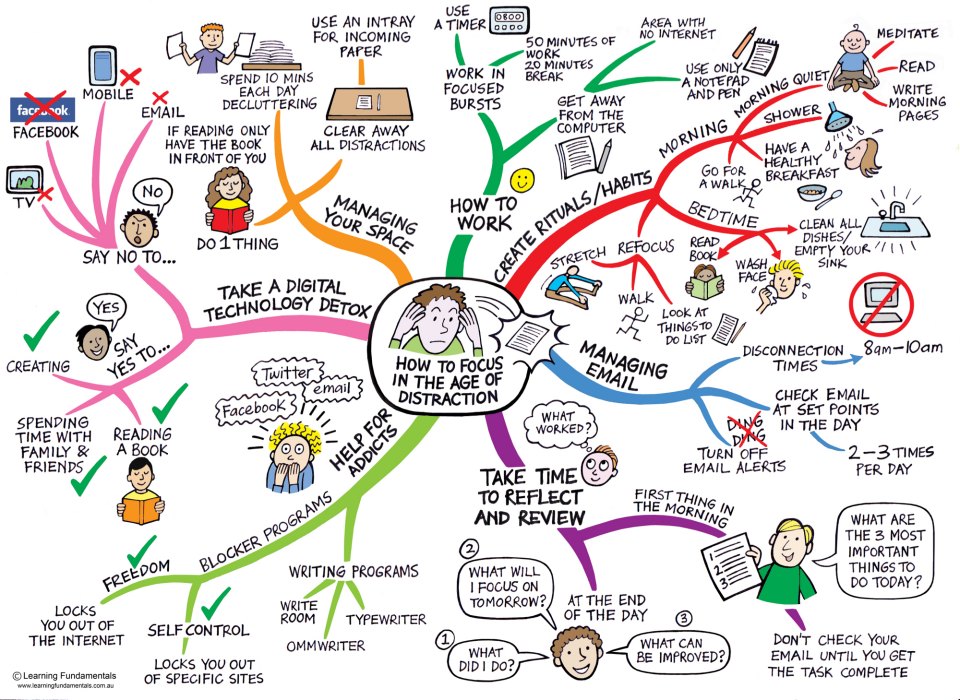
Anatomía de un mapa conceptual.
Si quieres ver como se puede construir un mapa conceptual, este es tu enlace a una maravillosa presentación de SLIDESHARE.
Es de Austin Kleon,vale la pena dedicarle unos minutos.


Es de Austin Kleon,vale la pena dedicarle unos minutos.
Suscribirse a:
Entradas (Atom)